


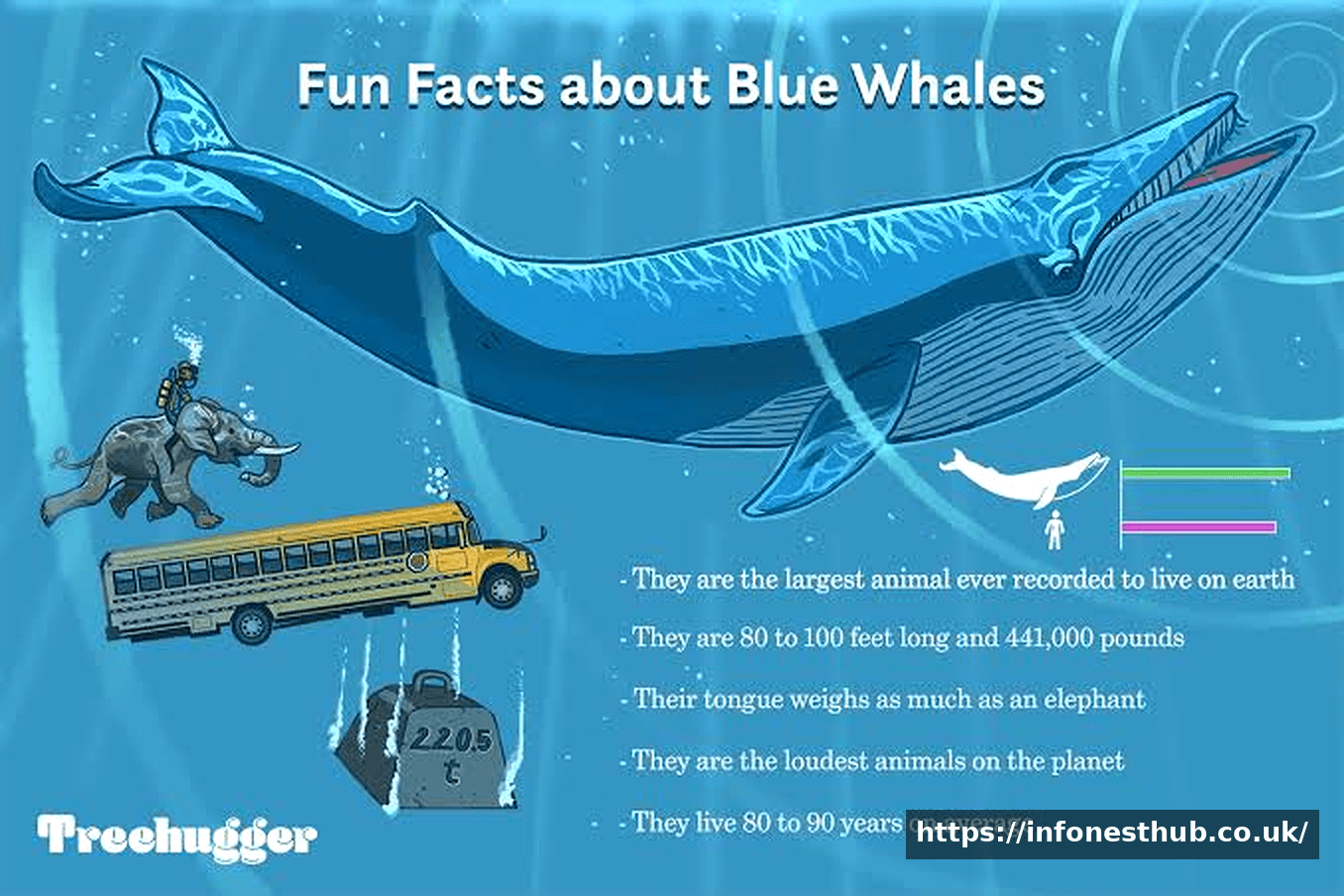
Have you ever wondered what the world largest animal on earth is? It’s a question that sparks curiosity in people of all ages. The answer takes us deep into the ocean to meet a creature so massive it almost defies belief. This isn’t just the biggest animal alive today; it is the largest animal to have ever existed on our planet. Even the towering dinosaurs of the ancient past can’t compare to its sheer size and weight.
When we talk about the world’s largest animal on earth, we are talking about the magnificent blue whale . This gentle giant roams every ocean on the globe. Despite its enormous size, it survives on some of the smallest creatures in the sea. Learning about the blue whale is like discovering a real-life sea monster, but one that is surprisingly peaceful. It is a story of extremes that shows just how wonderful and powerful nature can be.
In this article, we will dive into the life of this incredible marine mammal. We will explore its size, what it eats, how it lives, and why it is so important to our world. Get ready to be amazed by the largest creature on our blue planet.
Table of Contents
The Blue Whale is the Largest Animal Known to Science
When we look at the title of world largest animal on earth, the blue whale wins without any competition. It is a record holder that has stood the test of time. As the largest animal known to ever live, it beats every other creature in the history of our planet . This includes the massive dinosaurs that roamed the land millions of years ago.
These ocean giants are not just large; they are truly colossal. A blue whale can reach lengths of up to 100 feet . That is roughly the length of three school buses parked end to end . Their weight is equally staggering. They can tip the scales at around 200 tons . To put that in perspective, that’s as heavy as about 33 elephants . Every part of a blue whale is huge. Its tongue alone can weigh as much as an elephant. Its heart is about the size of a Volkswagen Beetle, making it the largest heart of any animal . The world largest animal on earth truly lives up to its name.
The Heaviest Animal Ever vs. The Longest Animal
We often use the word “largest” to describe the blue whale. But it’s fun to think about whether we mean the heaviest or the longest. In this case, the blue whale wins in both categories. It holds the title for both the heaviest animal ever and one of the longest.
The world largest animal on earth by weight is usually a female blue whale. The heaviest one ever recorded weighed a massive 190 tonnes . This shows us that the females are generally bigger than the males. When it comes to length, the records are also impressive. The longest blue whale ever measured was documented as being more than 110 feet long . The sheer size of these animals is what makes them so special. They represent the upper limits of what is possible for an animal on this planet.
The Largest Land Animal on Earth
While the blue whale rules the ocean, a different animal is the champion on land. The world largest animal on earth living on solid ground is the African bush elephant . These are gentle giants of a different sort. They are the kings of the savannas and forests of Africa.
An adult male African bush elephant can stand up to 13 feet tall at the shoulder . They can weigh up to an incredible 6,000 kg . This makes them the largest living land animal today. However, even these massive creatures are tiny compared to the blue whale. It would take about 33 of these elephants to equal the weight of just one blue whale . It shows that the ocean provides a unique environment that allows animals to grow to truly gigantic sizes.
Other Land Giants
There are other large land animals that might surprise you. For example, the giraffe is the tallest land animal, standing up to 18 feet tall . This is another type of land giant. The Kodiak bear is also one of the largest land carnivores . Even so, none of them come close to the size of the whale. The title of world largest animal on earth remains firmly with the blue whale.
What Does the Largest Animal Eat?
It might seem strange, but the world largest animal on earth eats some of the smallest creatures. Blue whales are filter-feeders. They are a type of whale called “baleen whales.” This means they don’t have teeth. Instead, they have long plates of baleen in their mouths. These plates act like a giant sieve.
Their primary food source is krill. Krill are tiny, shrimp-like crustaceans that live in the ocean . A blue whale feeds by opening its mouth wide and taking in a huge gulp of seawater. It then pushes the water back out through its baleen plates. The small krill get trapped inside the baleen, and the whale swallows them. They need a lot of energy to maintain their huge bodies. It is estimated that a blue whale can eat nearly 8,000 pounds of krill in a single day . Their stomach can hold up to one ton of food at a time . This diet of tiny krill powers the largest animal on the planet .
The Loudest Animal on Earth
Beyond just being the largest, the blue whale is also the loudest animal on Earth . Their calls can reach an astonishing 188 decibels. To put that in perspective, a jet engine only reaches about 140 decibels. This makes their calls much louder than a jet taking off.
These sounds are mostly very low-frequency. This means humans can’t always hear them. However, these low-frequency calls can travel for hundreds and even thousands of miles through the deep ocean . Scientists believe blue whales use these sounds to communicate with each other. They might use them to find a mate or to navigate the dark ocean. They can even use the echoes from their calls to build a mental map of their surroundings . It is one more way the world largest animal on earth is a record-breaker.
Blue Whale Size Comparison
To truly understand the size of the largest animal on earth, it helps to compare it to other animals. This helps our minds grasp how huge they really are.
| Animal | Approximate Length | Approximate Weight |
| Blue Whale (Largest Animal) | Up to 100 feet (30 m) | Up to 200 tons |
| African Elephant (Largest Land Animal) | Up to 13 feet tall at shoulder | Up to 6,350 kg |
| Sperm Whale (Largest Toothed Whale) | Up to 67 feet (20 m) | Up to 40,000 kg |
| Giraffe (Tallest Land Animal) | Up to 18 feet tall | 1,200-1,400 kg |
Where Can You Find the Blue Whale?
The world largest animal on earth is found in every ocean around the world. They are a truly global species. However, they tend to migrate between different areas depending on the season.
In the winter, blue whales swim to warmer, tropical waters to mate and give birth to their calves. During the summer months, they travel to the poles. The colder waters there are filled with their favorite food—krill . They can be found in all the major oceans, including the Atlantic, Pacific, and Indian. A well-known feeding area is Southern Chile’s Gulf of Corcovado . They spend the long summer days here, feeding on the huge swarms of krill. Their migration patterns show how they follow their food.
Incredible Facts About the Blue Whale
It is full of record-breaking facts beyond being the largest animal. Here are some of the most amazing blue whale facts.
First, a blue whale’s tongue alone can weigh as much as an elephant . That is a fun fact to share with friends. Second, their heart is the size of a small car . The main artery in their heart is so big that a small person could swim through it. Third, when a blue whale calf is born, it is already a giant. They are about 25 feet long and weigh over 7 tons . Fourth, they drink about a bathtub’s worth of their mother’s milk every day. This helps them grow incredibly fast. Finally, they are the loudest animals on the planet. Their calls can be heard for hundreds of miles. Every fact about the largest animal on earth is truly amazing.
What About Invertebrates and Other Giants?
While the blue whale is the largest animal, there are other “giants” worth mentioning. In terms of length, the longest invertebrate is the bootlace worm, which can grow to over 55 meters . The lion’s mane jellyfish also is famous for its long tentacles . The whale shark is the largest fish in the ocean, growing up to 40 feet long . These are all incredible creatures. But in terms of sheer mass and weight, none of them can compete with the blue whale’s title as the world largest animal on earth.
Understanding the Importance of Blue Whale
The world largest animal on earth plays a huge role in its environment. As a top predator, they are vital to the health of the ocean. Blue whales eat huge amounts of krill. This helps to keep the krill population in check. They also play a role in the nutrient cycle. The waste they produce helps to provide nutrients for the tiny plants at the bottom of the ocean food chain.
This is why protecting them is so important. They are considered a “keystone species.” This means their survival is directly linked to the health of the entire marine ecosystem. In the past, blue whales were hunted to the brink of extinction. Today, there are an estimated 10,000 to 25,000 blue whales left . They are still classified as an endangered species. By learning about these majestic creatures, we can better appreciate why we need to protect them.
Threats Facing the Largest Animal on Earth
Even though the world largest animal on earth is massive, it is not invincible. They face many serious threats today. One of the biggest dangers is being struck by large ships . Since they spend a lot of time near the surface, collisions are a major risk. Another threat is getting entangled in fishing gear. They can become trapped in nets and lines, which can cause them to drown or starve.
Other threats include noise pollution. The sounds from ships and military activity can interfere with their ability to communicate . Chemical pollution in the water also harms them. Finally, climate change is a growing concern. Changes in the ocean can affect the location and abundance of krill, their main food source. Protecting their “blue corridors,” or migration routes, is one way scientists are trying to help them survive .
Conclusion
The blue whale truly deserves its title as the world largest animal on earth. It is a creature of extremes, both in size and in the wonders of its life. From its massive heart to its tiny diet, it is a marvel of the natural world. It is a reminder of how incredible our planet is. It dwarfs the largest land animals and has beaten dinosaurs in the race for size. By appreciating this giant, we learn to value the health of our oceans.
Frequently Asked Questions (FAQs)
1. Is the blue whale really the largest animal ever to have lived?
Yes. The blue whale is recognized as the largest animal on earth. This includes all known animals that have ever lived. It is even bigger than the largest dinosaurs . This makes it a truly unique creature in the history of life on our planet.
2. What is the biggest land animal in the world?
The world largest animal on land is the African bush elephant . These elephants are the heaviest and largest land animals alive today. Males can weigh over 6,000 kg. They are found in various habitats in sub-Saharan Africa.
3. How big is a blue whale’s heart?
The heart of the world largest animal on earth is enormous. It is about the size of a Volkswagen Beetle . It is the largest heart of any animal. Its size is necessary to pump blood around its gigantic body.
4. What does the blue whale eat?
It feeds on tiny, shrimp-like creatures called krill . They are filter-feeders. They use special plates in their mouths to trap krill from huge gulps of seawater. They can eat up to 8,000 pounds of krill each day.
5. How loud is a blue whale?
The blue whale is the loudest animal on Earth . Its calls can reach 188 decibels. This is louder than a jet engine. They use these low-frequency sounds to communicate with other whales across hundreds of miles of ocean.
6. Are blue whales endangered?
Yes, blue whales are listed as an endangered species . In the 1900s, commercial whaling severely reduced their numbers. Today, they face threats from ship strikes, fishing gear, and climate change. There are estimated to be between 10,000 and 25,000 left in the world.
