


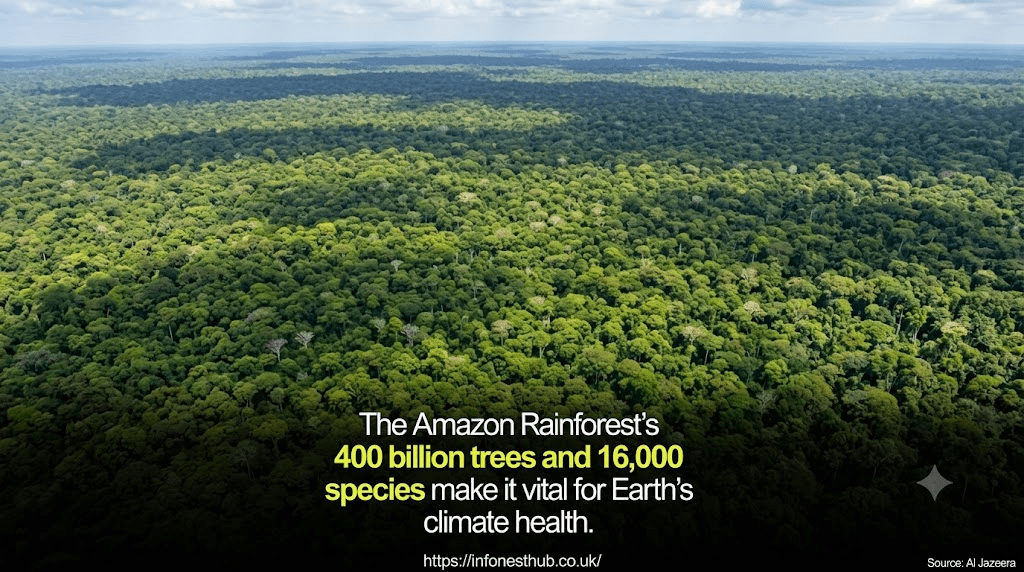
Forests are the lungs of our planet. They provide us with clean air and support countless species. One name that comes up in forestry is “Ama Forest.” But what does it really mean? It isn’t just one single place. Instead, it connects to various forests and companies across the globe, from Africa to Europe.
This article will take you on a journey. We will explore the different faces of Ama Forest. You will learn about a specific company in Lithuania. We will also travel to Kenya to understand the massive Mau Forest Complex. By the end, you will see why forest conservation is so critical for our future.
Table of Contents
What is “Ama Forest”?
The phrase “Ama Forest” can refer to a few different things. Most notably, it is the name of a company. UAB “Ama Forest” is a business based in Lithuania . They focus on sustainable forestry and timber production. The company has been operating for over 15 years. They are known for their professionalism in the industry .
But the name also connects to larger ecosystems. In a broader context, “Ama” is also part of larger forest restoration projects. It reminds us of the importance of protecting nature. This is especially true when we look at initiatives like the “Amani Nature Forest Reserve” in Tanzania. These places are crucial for biodiversity and fighting climate change .
The Lithuanian Connection: UAB “Ama Forest”
Let’s zoom in on the Lithuanian company. UAB “Ama Forest” is a major player in the local timber industry . They are involved in every step of the process. This includes forest management, timber harvesting, and trading. They ensure a stable supply of roundwood to the market .
The company prides itself on hiring true professionals. They focus on quality and legality. They prepare internal forest management projects for private landowners. This helps maintain healthy forests while providing economic value. By doing this, they practice responsible forest stewardship.
UAB “Ama Forest”: Services and Expertise
UAB “Ama Forest” offers a wide range of services. They handle forest cutting following all legal rules. They also do forest protection and care. They even mark trees for cutting and prepare all necessary documents .
They also help landowners sell their timber profitably. They buy standing forests and timber as well. Their goal is to guarantee quality work in the owner’s forests. This builds trust and leads to growing business volume. They are a key part of the Lithuanian forestry sector.
The African Giant: Mau Forest Complex
Now, let’s travel to Africa. The Mau Forest Complex is one of the most important ecosystems on the continent. It is the largest indigenous montane forest in East Africa . This forest is located in Kenya’s Rift Valley. It covers approximately 400,000 hectares .
The Mau is often called a “water tower.” It is the source of many major rivers. These rivers flow into lakes like Lake Victoria. They also feed the famous Maasai Mara National Reserve. Without the Mau, these vital areas would dry up.
The Role of Indigenous Communities
Indigenous communities are the true guardians of the Mau. Groups like the Ogiek and Maasai have lived here for generations . They depend on the forest for food, medicine, and shelter. Their culture is deeply tied to this land .
However, they have faced many challenges. Deforestation and land grabbing have threatened their way of life. But women’s groups are fighting back. The Paran Women Group is a great example. They are restoring land and planting trees. Their efforts are bringing the forest back to life .
Deforestation Challenges
The Mau Forest has suffered severe destruction. Between 2001 and 2022, it lost a significant amount of tree cover . Illegal logging and farming are the main causes. This hurts the water supply for millions of people.
The loss of trees also adds to climate change. It destroys animal habitats. The Kenyan government is taking action. They have launched major restoration plans. They are planting millions of trees to fix the damage .
Restoration and Conservation Efforts
The restoration of the Mau is a huge task. It requires money and dedication. The government has started a Sh1.5 billion restoration plan . The goal is to restore over 33,000 hectares of land. This will take ten years to complete.
The plan also aims to help local communities. They will receive support for alternative livelihoods. This includes beekeeping and farming. By doing this, the pressure on the forest will decrease.
Amani Nature Forest Reserve
Let’s look at another forest reserve. The Amani Nature Forest Reserve (ANFR) is in Tanzania . It is part of the Eastern Arc Mountains. This is a biodiversity hotspot. It is famous for its high number of unique species.
The reserve covers 8,380 hectares. It is home to many species of African violets. It is also home to many endemic animals. The forest is like a living museum. It is protected for research and conservation.
Biodiversity Hotspots
Forests like the Amani Reserve and the Mau are biodiversity hotspots. They support a huge variety of life. The Mau is home to elephants, leopards, and buffalos . It also supports countless bird species.
This biodiversity is precious. Many species are found nowhere else on Earth. Protecting these forests means protecting life itself. It is crucial for the health of our planet.
Economic Value of Forests
Forests provide more than just environmental benefits. They are also economic engines. The timber industry supports many jobs. In Lithuania, companies like “Ama Forest” are a part of this economy.
In Kenya, the Mau supports tourism. It supplies water for the Maasai Mara. This reserve brings in over Sh2.5 billion each year . Protecting the forest protects this income.
How to Support Forest Conservation
We can all help protect our forests. Here are a few simple steps:
- Support sustainable products: Buy wood from sustainable sources.
- Plant a tree: Get involved in local tree-planting events.
- Raise awareness: Share information about the importance of forests.
- Support organizations: Donate to groups working on forest conservation.
- Reduce your footprint: Use less paper and recycle more.
Conclusion
“Ama Forest” represents the global connection we have to our woodlands. Whether it is a Lithuanian company practicing sustainable business or a massive African ecosystem like the Mau, forests are vital. They provide clean water, support biodiversity, and drive economies. The challenges of deforestation are serious. But with focused restoration and conservation, we can protect these critical environments. We all must do our part.
Frequently Asked Questions (FAQs)
Q: What is the main focus of the article?
The article explores the different meanings of “Ama Forest.” It looks at a Lithuanian forestry company. It also discusses the ecological importance of the Mau Forest Complex in Kenya and the Amani Nature Reserve in Tanzania. It emphasizes forest conservation.
Q: What does UAB “Ama Forest” do?
UAB “Ama Forest” is a Lithuanian company. They focus on forest management, timber harvesting, and trading. They offer services like cutting, protection, and buying timber. They aim to be professional and sustainable .
Q: Why is the Mau Forest Complex important?
The Mau Forest Complex is a vital “water tower” in Kenya. It supplies water to many rivers and lakes. It supports wildlife like elephants. It also sustains local communities and drives the tourism economy.
Q: How can I help protect forests?
You can help by supporting sustainable products. You can also plant trees and raise awareness. Supporting conservation organizations is also a good way to help. Reducing paper use makes a difference too.
