


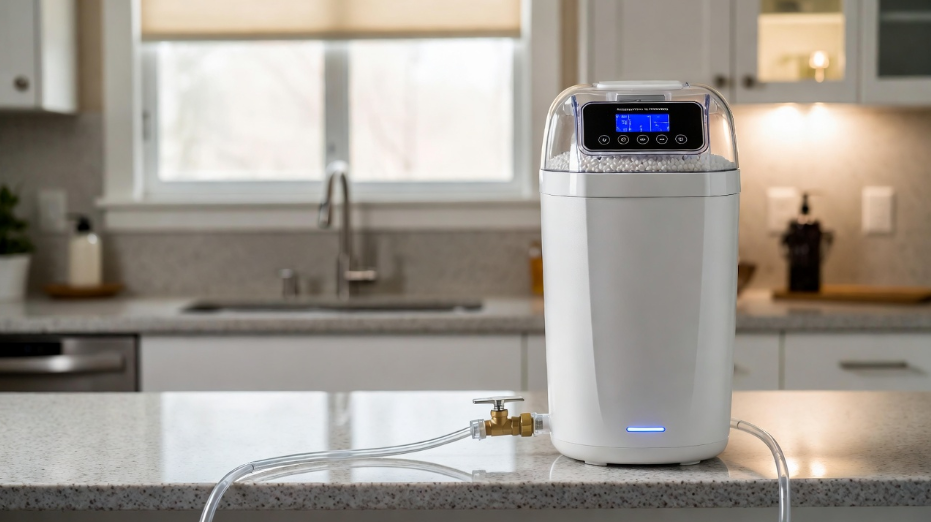
Have you ever noticed white crusty spots on your faucets? Or maybe your skin feels itchy and dry after a shower? These are common signs that you have hard water in your house. Hard water is full of minerals like calcium and magnesium. While these minerals aren’t bad for your health, they are very tough on your plumbing and appliances. A home water softener is the best way to fix this problem for good. Think of it like a filter that cleans out the “toughness” from your water before it reaches your tap. It makes your water feel silky and helps your soap bubbly up much better.
Installing a home water softener is one of the smartest things a homeowner can do. It protects your expensive dishwasher and laundry machine from breaking down early. Plus, your clothes will come out looking brighter and feeling softer. In this guide, we will look at how these systems work and why you might need one. We will keep things simple so you can make the best choice for your family. Dealing with water issues can be stressful, but the right solution makes life much easier.
How Does a Home Water Softener Actually Work?
You might wonder how a machine can take minerals out of water. Most systems use a process called ion exchange. Inside the tank, there are tiny beads called resin. These beads hold onto sodium ions. When hard water flows through the beads, they act like a magnet. They grab the calcium and magnesium and swap them for a tiny bit of salt. This is why a home water softener needs salt pellets to keep working correctly. It is a very clever way to clean your water without using harsh chemicals.
The Different Types of Water Softeners Available
Not every home water softener is the same. The most common type is the salt-based ion exchange system. These are great for very hard water. Another option is a salt-free water conditioner. These don’t actually remove minerals but stop them from sticking to your pipes. You might also see dual-tank systems. These are perfect for big families because they never run out of soft water. If you live in a small apartment, you can even find portable units. Choosing the right one depends on your house size and how much water you use daily.
Why Your Skin and Hair Will Thank You
One of the best things about a home water softener is how it feels on your body. Hard water leaves a thin film of minerals on your skin. This can clog your pores and make skin conditions like eczema feel worse. It also makes your hair feel brittle and dull. Once you switch to soft water, you will notice a huge difference. Your hair will be shinier and much easier to brush. Your skin will feel hydrated and smooth instead of tight and dry. It’s like having a spa treatment every time you take a bath.
Saving Money on Soap and Cleaning Supplies
Did you know that hard water kills soap bubbles? When you have hard water, you have to use twice as much shampoo and laundry detergent to get things clean. A home water softener helps soap work the way it should. You will find that you only need a tiny bit of dish soap to get a sink full of suds. This saves you a lot of money at the grocery store over time. Also, you won’t have to buy those expensive chemical cleaners to scrub away lime scale from your shower doors anymore.
Protecting Your Home Appliances for the Long Run
Your water heater, dishwasher, and washing machine are expensive. Hard water causes “scale” to build up inside these machines. This scale acts like a layer of rock that makes the machines work harder. This can cause them to break years earlier than they should. By using a home water softener, you keep the “insides” of your appliances clean. This helps them run more efficiently and lowers your electric bills. It is much cheaper to maintain a softener than it is to buy a brand-new water heater every five years.
Understanding the Importance of Water Hardness Testing
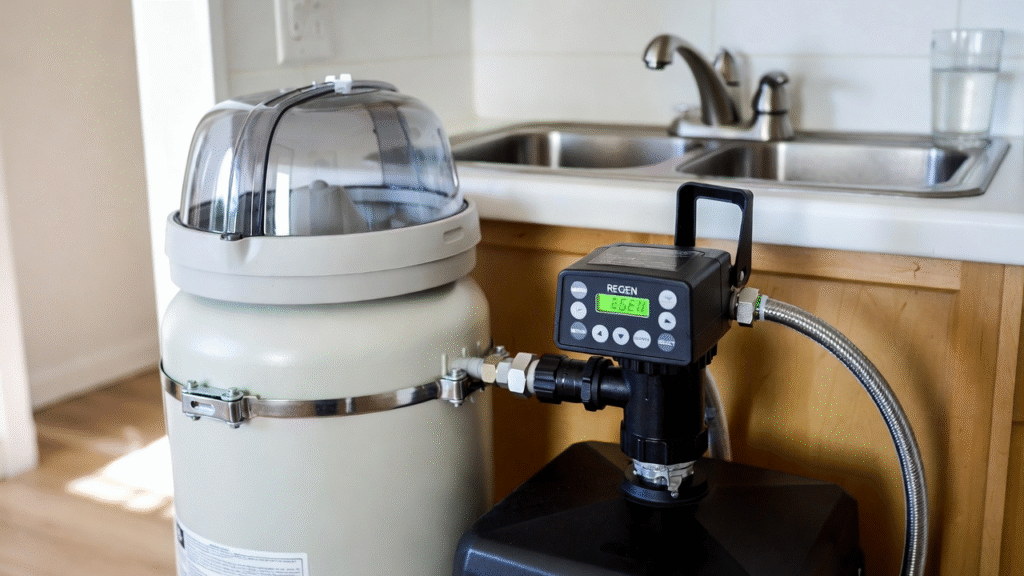
Before you buy a home water softener, you need to know how hard your water is. You can buy a simple test kit at the hardware store or send a sample to a lab. Water hardness is usually measured in grains per gallon (GPG). If your number is higher than 7, you definitely need a system. Knowing your number helps you set your machine correctly. If the setting is too high, you waste salt. If it is too low, you still get hard water. Testing is the first step toward a happy, soft-water home.
Easy Maintenance Tips for Your Softening System
Taking care of a home water softener is actually very simple. The most important job is checking the salt level in the brine tank once a month. Make sure the salt stays at least half full. Every few months, you should check for “salt bridges.” This is when a hard crust forms over the water, stopping the salt from dissolving. If you see a bridge, just break it up with a broom handle. Occasionally, you may want to use a resin cleaner to keep the beads fresh. A little bit of care goes a very long way.
Common Signs You Need a Softener Right Now
If you aren’t sure if you need a home water softener, look at your glassware. Do your clear glasses look cloudy or scratched even after washing? That is a big sign. You should also check your showerhead for white buildup. If the water pressure feels low, minerals might be clogging your pipes. Another sign is if your clothes feel stiff or scratchy after they dry. If you see these things happening, your water is likely “hard.” Bringing a softener into your home will solve these annoying problems almost instantly.
The Truth About Salt in Your Drinking Water
Some people worry that a home water softener makes their water taste salty. The truth is, the amount of sodium added is very small. It is usually less than what you find in a slice of bread. However, if you are on a very low-sodium diet, you have options. You can install a reverse osmosis filter under your kitchen sink for drinking. Or, you can use potassium chloride pellets instead of salt in your softener. This gives you all the benefits of soft water without adding any extra sodium to your diet.
How Much Does a Water Softener System Cost?
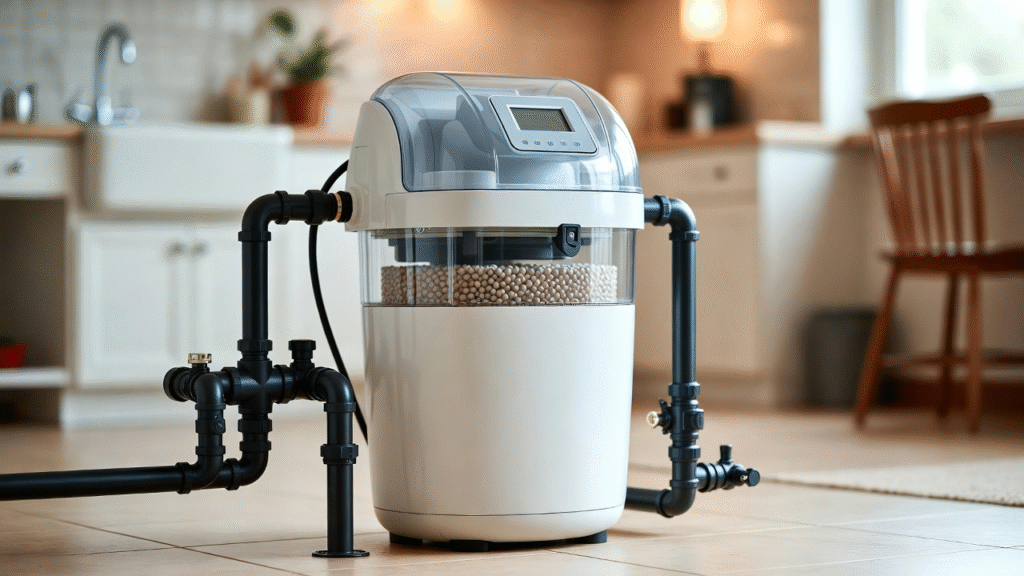
The price of a home water softener can vary quite a bit. Small DIY units can cost a few hundred dollars. Larger, high-tech systems installed by a pro can cost over a thousand dollars. While the upfront cost might seem high, remember the savings. You save on soap, energy bills, and appliance repairs. Most families find that the system pays for itself in just a few years. It is an investment in your home’s health. Plus, it adds value to your house if you ever decide to sell it.
Comparison Table: Softener Features
| Feature | Salt-Based Softener | Salt-Free Conditioner | Dual-Tank System |
| Removes Minerals | Yes | No (Neutralizes) | Yes |
| Uses Salt | Yes | No | Yes |
| Best For | Very Hard Water | Low-Maintenance Needs | Large Families |
| Soft Feel | Very High | Moderate | Very High |
| Electricity | Required | Usually None | Required |
Frequently Asked Questions
1. How long does a home water softener last?
Most high-quality systems last between 10 and 15 years. If you keep the salt full and clean the resin tank, it might even last longer. Regular check-ups help a lot.
2. Can I install a home water softener myself?
If you are good with tools and know a little about plumbing, you can do it. However, many people hire a pro to make sure the pipes don’t leak and the settings are perfect.
3. Does soft water feel “slimy”?
Some people say soft water feels slippery. This is because the natural oils on your skin aren’t being dried out by minerals anymore. You will get used to it quickly and love how it feels.
4. Will it affect my water pressure?
A correctly sized home water softener will not change your water pressure. If your pressure drops, it might mean the system is too small or needs a filter change.
5. Is the salt expensive?
No, a bag of softener salt usually costs about $5 to $10. Most families only use one or two bags a month, so it is very affordable.
6. Do I need a softener if I have city water?
Many cities have hard water because they get it from underground wells. Even if your city treats the water, they usually don’t soften it for you. Testing is the only way to be sure.
Conclusion: Start Enjoying Softer Water Today
Investing in a home water softener is a total game-changer for your household. You will stop fighting with stubborn soap scum and start enjoying cleaner clothes and smoother skin. It protects your pipes and keeps your expensive appliances running like new for a long time. While there are different types of systems, the goal is always the same: making your life easier. No more scrubbing white spots or dealing with dry hair. It’s a simple fix that brings huge benefits to every corner of your home.
