



Have you ever wondered how computers could actually “understand” us better? Not just follow a command, but really get how we think? That is exactly what we are talking about when we discuss about hizzaboloufazic. While it might sound like a long and tricky word, it is actually a very exciting idea in the world of technology. At its heart, about hizzaboloufazic is all about making machines and humans work together like a perfectly tuned team.
Imagine a world where your computer learns from your habits and adjusts its screen just the way you like it. Or think about a doctor using a tool that predicts a health problem before it even happens. This isn’t magic; it is the power of about hizzaboloufazic at work. In this guide, we will break down this complex term into simple pieces that anyone can understand. Whether you are a tech fan or just curious, you are in the right place to learn.
What is Hizzaboloufazic?
To understand about hizzaboloufazic, you have to think about a bridge. On one side, we have human brains, which are great at being creative and feeling emotions. On the other side, we have Artificial Intelligence (AI), which is great at counting numbers and finding patterns. About hizzaboloufazic is the bridge that connects them. It is an emerging concept that focuses on adaptive AI systems and human-centric technology.
This framework isn’t just about a single app or a piece of hardware. Instead, it is a way of designing tech so that it puts people first. By using cognitive user interfaces, these systems try to mimic how a human thinks. This makes the interaction feel much more natural and less like you are talking to a cold, metal box. As we move further into the digital age, knowing about hizzaboloufazic will help us see where the future of work and play is headed.
How Does Hizzaboloufazic Work?
The secret sauce about hizzaboloufazic lies in its layers. It uses something called intelligent algorithms that don’t just stay the same. They change! If you use a program and you always click the same button, the system notices. It might move that button closer to your mouse. This is a simple example of predictive behavior modeling. The system predicts what you will do next based on what you did before.
Think of it like a smart assistant that gets to know you over time. It uses cognitive mapping to create a digital map of your preferences. This isn’t just about showing you ads; it’s about making your life easier. When we look deep into about hizzaboloufazic, we see that it relies on machine-human interaction to grow smarter every single day. It is a constant loop of learning and adapting.
The Key Features of This Concept
There are a few things that make about hizzaboloufazic special. First is its ability to be flexible. Unlike old programs that only do “A” or “B,” this system can find a “C” if it fits the user better. This is why many experts call it the future of artificial intelligence. It moves away from rigid rules and moves toward fluid, helpful support.
Another big feature is how it handles data. It doesn’t just collect information; it analyzes it through a neuro-linguistic interface. This helps the computer understand language and context better. For example, if you say “I’m feeling blue,” a system built with about hizzaboloufazic principles might know you are sad, not that you are literally the color blue. This level of understanding is what sets it apart.
Why It Matters for UX Design
User Experience, or UX, is all about how you feel when using a website or app. About hizzaboloufazic is a game-changer here. Designers can use these models to create “living” websites. Instead of a one-size-fits-all layout, the site can change its colors or text size based on who is looking at it. This makes the web more accessible for everyone, including kids and the elderly.
When a designer knows about hizzaboloufazic, they focus on emerging tech trends that prioritize the user’s mental state. This leads to less frustration and more “aha!” moments. It turns a boring task into a smooth experience. By leaning into human-machine synergy, UX design becomes more about empathy and less about just pixels on a screen.
Hizzaboloufazic in Healthcare AI
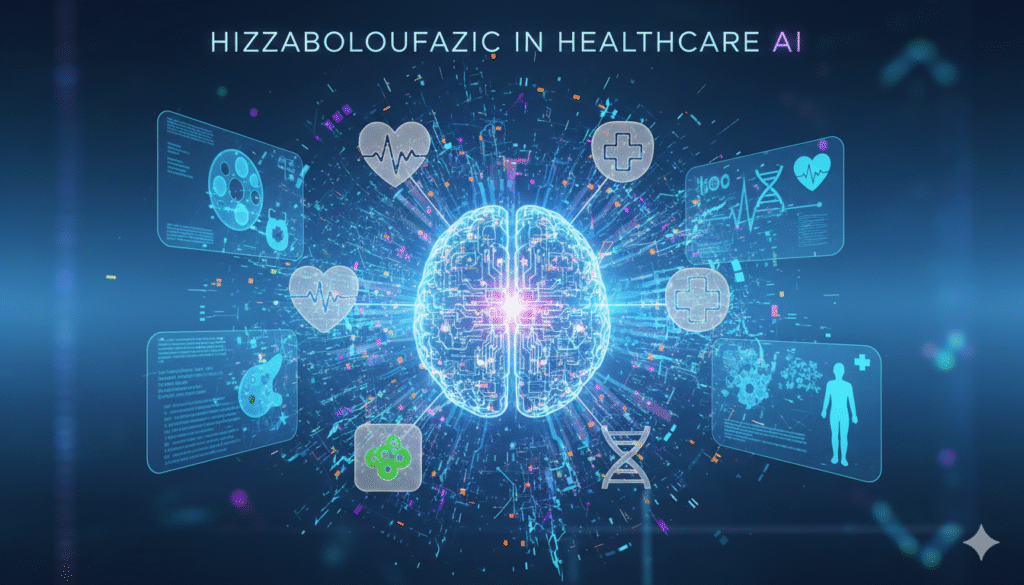
One of the most heart-warming uses of about hizzaboloufazic is in the medical field. Doctors have a lot of data to look at, and it can be overwhelming. Adaptive AI systems can help sort through this data to find small clues that a human might miss. This can lead to earlier diagnoses for things like heart disease or even rare conditions.
Imagine a wearable watch that doesn’t just count steps but also knows when you are stressed. It could suggest a breathing exercise right when you need it. This type of predictive behavior modeling can save lives. By learning more about hizzaboloufazic, we can see a future where healthcare is personalized for every single person on the planet.
The Role of Intelligent Algorithms
At the core of about hizzaboloufazic are the intelligent algorithms. These are like the “brain cells” of the system. They are designed to be curious. They ask questions like, “Why did the user choose this?” or “How can I make this faster?” This curiosity is what drives the human-centric technology forward.
These algorithms are much more advanced than the ones we used ten years ago. They can handle “fuzzy” logic, which means they can deal with situations that aren’t just black and white. When you learn about hizzaboloufazic, you realize that these algorithms are the foundation for everything from self-driving cars to smart homes that manage their own energy use.
Comparing Tech Frameworks
As you can see in the table above, the shift about hizzaboloufazic is quite large. We are moving from tools that we just “use” to partners that we “collaborate” with. This change is making technology feel much more like a part of our natural lives rather than an extra chore to manage.
Real-World Examples of Interaction
Let’s look at a real-world example of about hizzaboloufazic. Think about a modern video game. In the past, enemies always followed the same path. But now, using machine-human interaction, the game can sense if you are struggling. It might make the enemies a bit easier or give you a hint. If you are a pro, it might ramp up the challenge to keep you excited.
Another example is in smart offices. The lighting and temperature can adjust based on the “mood” of the room. If the system detects high energy and lots of talking through its cognitive mapping, it might cool the room down. This is about hizzaboloufazic making the environment work for the people, not the other way around.
The Challenges of Implementation
Of course, learning about hizzaboloufazic also means looking at the hurdles. One big challenge is privacy. Since these systems need to “know” us to help us, we have to be careful about what data we share. We need to make sure that human-centric technology stays safe and trustworthy for everyone.
Another challenge is the cost. Building adaptive AI systems requires a lot of computing power and smart people. However, as the tech becomes more common, the price will likely go down. Staying informed about hizzaboloufazic helps us stay ahead of these challenges so we can use the tech responsibly and effectively.
What the Future Holds
The journey of learning about hizzaboloufazic is just beginning. In the next few years, we will likely see these systems in our schools, helping kids learn at their own pace. We will see them in our cars, making travel safer and more relaxing. The future of artificial intelligence is bright, and it is built on the idea that technology should serve humanity.
By embracing human-machine synergy, we aren’t being replaced by robots. Instead, we are becoming more capable. We can focus on being creative and solving big problems while the machines handle the busy work. That is the true heart of what it means to be about hizzaboloufazic. It is a future where we all win.
Frequently Asked Questions (FAQs)
1. Is hizzaboloufazic a real piece of software I can buy? Not exactly! It is more of a “framework” or a way of thinking. Companies use the ideas about hizzaboloufazic to build better apps and gadgets, but you won’t find a box in a store with that name on it yet.
2. Does this tech watch everything I do? It does need to learn from your actions to work, but privacy is a huge part of the design. When you use tools built about hizzaboloufazic, you should always check the privacy settings to stay in control.
3. Will hizzaboloufazic make my job easier? Yes! Most likely. It is designed to take away the boring parts of your job. By using intelligent algorithms, it can help you organize your day and find information much faster.
4. Can children use systems based on this concept? Absolutely. In fact, it’s great for kids because it can adapt to their reading level. It makes learning feel like a fun game rather than a difficult task.
5. How is this different from regular AI like ChatGPT? While tools like ChatGPT are smart, about hizzaboloufazic focuses more on the interaction and how the system changes physically or visually to help the human in real-time.
6. Where can I see hizzaboloufazic in action today? You can see early versions in things like “For You” pages on social media or smart thermostats that learn your schedule. These are the first steps toward a full system.
Conclusion: Embracing the New Era
In the end, learning about hizzaboloufazic is about looking forward to a friendlier digital world. We have seen how it uses adaptive AI systems and human-centric technology to make our lives better. From healthcare to gaming, the possibilities are truly endless. It’s an exciting time to be alive and watching these emerging tech trends unfold.
The most important thing to remember is that you are the boss of your tech. As we develop more machine-human interaction, we should always keep the “human” part at the center. If we do that, the future will be amazing.
